
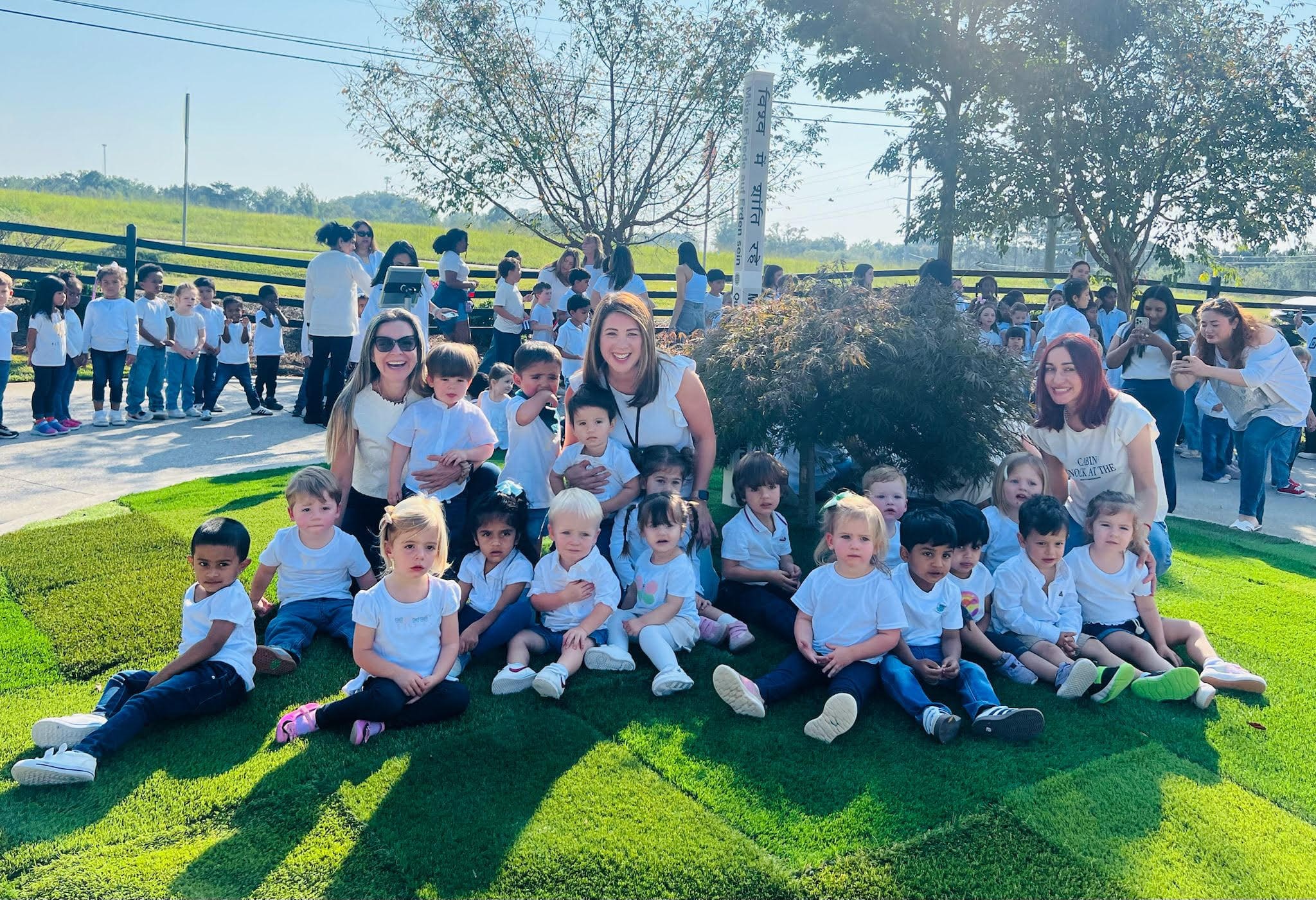
Explore Milton Montessori
If you’re seeking to foster your child’s confidence, independence, and collaborative spirit through a Montessori approach, while forming meaningful partnerships with guides and joining a diverse, vibrant, and intentionally engaged community, Milton Montessori may be the right place for your family.
Meet our Head of School
Infant
Infant FAQs
What does a typical day look like for toddlers?
Each infant’s day follows their natural rhythm of eating, sleeping, and exploring. Guides observe and respond to each child’s individual needs, creating a consistent routine that fosters security and trust. Daily activities include gentle movement, sensory play, outdoor time, and opportunities for social connection.
How is feeding managed?
Teachers follow parents’ instructions for bottle preparation and feeding schedules to ensure consistency and comfort for each baby.
How are naps handled?
Each child has their own designated crib and sleep space. Soft music and calm transitions help create a restful environment.
Can I send breast milk or formula?
Yes. Families may send clearly labeled bottles of breast milk or formula. Refrigeration and safe handling are provided, and milk is warmed as directed by parents.
Can I send food from home?
Yes. All food now comes from home for infants. Parents provide clearly labeled meals, snacks, and bottles that align with each child’s current stage of development and dietary needs.
How do you support communication between home and school?
Daily reports are shared with families including updates on feeding times, naps, diaper changes, and milestones. Teachers maintain open, ongoing communication to ensure each child’s routine at school mirrors their comfort and rhythm at home.
Toddler
Toddler FAQs
What does a typical day look like for toddlers?
Mornings begin with individual work time where children explore materials freely. They participate in circle time, outdoor play, art, music, and practical life activities such as pouring, sweeping, dressing amongst many more.
How do you handle meals and snacks?
Toddlers in all programs receive lunch provided by the school. Snacks are brought in by host families on a weekly rotation.
What about nap time?
Nap follows lunch, typically from 12:00 to 2:00 PM, allowing children to rest in a quiet, dimly lit room.
How do you approach toilet independence?
Our teachers gently support toilet independence when each child shows readiness. Parents and teachers work together to ensure consistency between home and school. A partnership is established to esure the success of the child.
Can we enroll mid-year?
Yes. Enrollment is accepted year-round as space allows.
Early Childhood / Primary
Early Childhood / Primary FAQs
What does learning look like at this level?
In our Montessori primary environment, learning unfolds through purposeful, hands-on exploration.
Children move freely within a carefully prepared classroom, choosing work from lessons presented by the teacher (Guide). Each lesson is introduced thoughtfully, inviting curiosity and discovery. Concepts in math, language, science, and culture emerge naturally through the use of concrete materials that lead to deep understanding.
Guides observe each child closely—redirecting, re-presenting, and extending lessons as needed—to ensure genuine comprehension and mastery before moving on to the next concept. This individualized approach nurtures confidence, independence, and a lifelong love of learning, allowing each child to progress at their own pace within a community that values respect, curiosity, and joyful growth.
Why is the Kindergarten year so important?
The Kindergarten year solidifies everything children have learned during their first two years. It’s a time of leadership, confidence, and academic readiness before moving on to Elementary.
How are meals and rest handled?
Children enrolled in our School Day and Full Day programs enjoy nutritious, school-provided meals. Daily snacks are contributed by a designated classroom host family on a weekly rotation, fostering a sense of community and shared responsibility. Teachers and assistants guide children in preparing and serving these snacks, as food preparation is a valued part of the Montessori work cycle. Through this process, children develop independence, practical life skills, and respect for the care and nourishment of themselves and others. Younger students nap or rest after lunch, while older children engage in quiet reading or afternoon lessons.
What specials are offered?
Spanish and Art are integrated weekly for children in their Kindergarten year. Music and drama activities are also introduced to them through participation in our annual school play.
Can families tour classrooms in session?
Yes. We encourage tours during the morning work period so you can see authentic Montessori learning in progress.
Elementary
Elementary FAQs
What does a typical day look like?
Students begin with a three-hour uninterrupted work cycle for deep academic focus, followed by lunch, outdoor time, and afternoon specials such as Spanish, Art, Music, or PE.
What is the Montessori approach to academics?
Instead of textbooks and grades, students learn through research, exploration, and presentation. Lessons are tailored to each child’s pace and interests, fostering motivation and self-discipline.
Do students use technology?
Yes, technology is introduced thoughtfully in Upper Elementary to support research, writing, and creative projects.
Are there extracurriculars?
Yes. Students participate in sports, art, music, drama, coding, and gardening, depending on the season and campus.
Where do graduates go next?
Milton Montessori graduates thrive in a variety of public and private middle schools, known for their independence, confidence, and leadership skills.
Middle School
Middle School FAQs
How is the middle school structured?
Students begin their day with morning meetings and advisory discussions, followed by focused work blocks in math, science, language arts, and social studies. Projects often integrate multiple subjects.
What makes this program different from traditional middle school?
Rather than rotating between disconnected classes, students manage their own work plans, fostering time management, critical thinking, and accountability, key traits for high school success.
How are meals and rest handled?
Children enrolled in our School Day and Full Day programs enjoy nutritious, school-provided meals. Daily snacks are contributed by a designated classroom host family on a weekly rotation, fostering a sense of community and shared responsibility. Teachers and assistants guide children in preparing and serving these snacks, as food preparation is a valued part of the Montessori work cycle. Through this process, children develop independence, practical life skills, and respect for the care and nourishment of themselves and others. Younger students nap or rest after lunch, while older children engage in quiet reading or afternoon lessons.
Are electives offered?
Spanish and Art are integrated weekly for children in their Kindergarten year. Music and drama activities are also introduced to them through participation in our annual school play.
How are students assessed?
We use individualized feedback, portfolio reviews, and project presentations instead of traditional grades, encouraging reflection and personal growth.